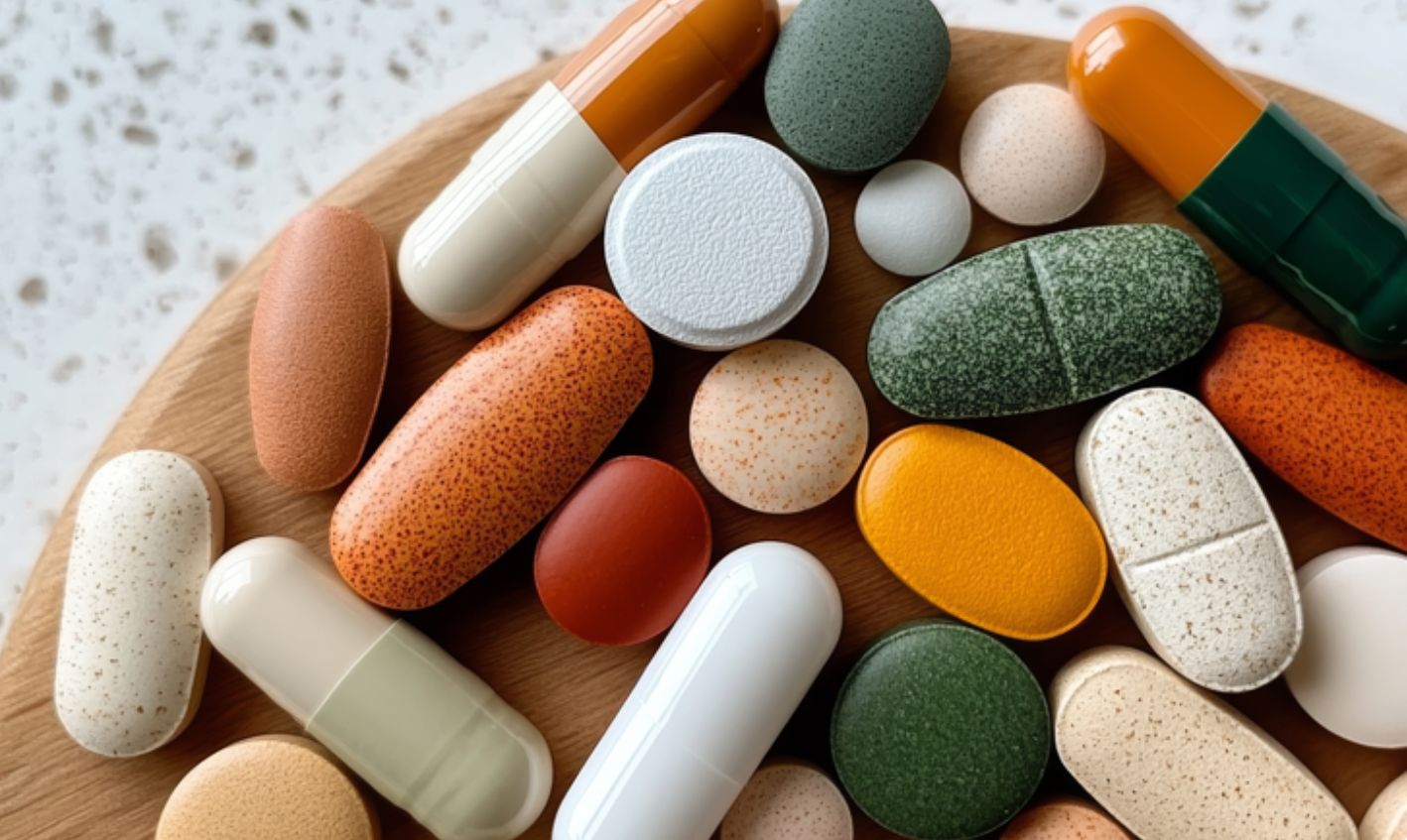
It is important to follow the correct disposal method when disposing of expired or excess medications at home. This is not just about your health and that of your family, but also our environment. Improper disposal, such as flushing medications down the drain or throwing them directly into the garbage, can lead both to environmental contamination and accidental misuse.
How to dispose of medications safely:
- Use a drug-return program: The most secure way to dispose of medication is to use a take-back drug program. Institutions like Bayhealth Hospital in Delaware offer drug recycling bins open 24 hours per day to help dispose of unwanted medications.
- National Prescription Drug Take-Back Day (also known as the DEA’s Drug Take-Back Day): This event is organized by DEA and provides a way to safely dispose of excess medications.
- Use medication disposal kits or bags: These products can render medicines ineffective and they can be safely disposed in household waste.
- Household waste disposal: If there is no drug take-back program in place, you can mix medications with soil, cat litter or coffee grounds and put them in a sealed bag. Then, throw it away. Be sure to remove all personal information from the container.
Disposal of Syringes & Needles
The syringe-based medication (such as insulin), should be immediately placed in a sharps container. Dispose of sharps containers in accordance with local guidelines. Do not throw away unused needles into the trash.
Do not throw away medicines carelessly
Only flush medications if specifically instructed to do so by the prescription label, package insert or other instructions. Most medications should not be flushed down drain.
By following these guidelines we not only protect the environment against contamination, but also prevent accidental ingestion. This promotes a healthier, safer community.