
Coconut water is a natural drink that has been gaining popularity on TikTok, and other social media sites. Is it more hydrating than water or sports drinks, though? Let’s look at the hydrating qualities of coconut water.
The total volume of a beverage and its nutrient content will determine how hydrating it is. Drinks with small amounts of carbohydrate, protein and/or fat hydrate better than water. Studies show that milk, for example, is one of the most water-rich drinks available.
Greg points out that water is the most sustainable option for hydration in the long term.
Coconut water is hailed by many as “nature’s sport drink” due to its natural electrolyte equilibrium. It contains high levels natural electrolytes, such as potassium sodium and magnesium, that help replace nutrients lost.
One cup of coconut juice typically contains:
- 46 calories
- 8.9 grams carbohydrates
- 0.5 grams fat
- 1.7 grams protein
- 252 milligrams sodium
- 6.3 grams sugar
- 2.6 grams fiber
Greg advises that although coconut water is an excellent supplement for electrolytes, fruits and vegetables are still the best source of these nutrients. “By eating fruits and vegetables you can get additional benefits such as fiber, vitamins, and minerals.”
Greg explains that although coconut water is an excellent electrolyte supplement, no studies have shown it to be more hydrating than other electrolyte beverages or water. “Water is the gold standard in hydration. Most people can meet their hydration needs and electrolyte requirements with water and a healthy diet.
Coconut water has some natural advantages over sports drinks, but sports beverages may be the better choice in certain situations. Coconut water does not contain as much sodium as most sports drinks. Greg says that coconut water, after a long exercise and sweating session, may not contain the sodium found in sports drinks.
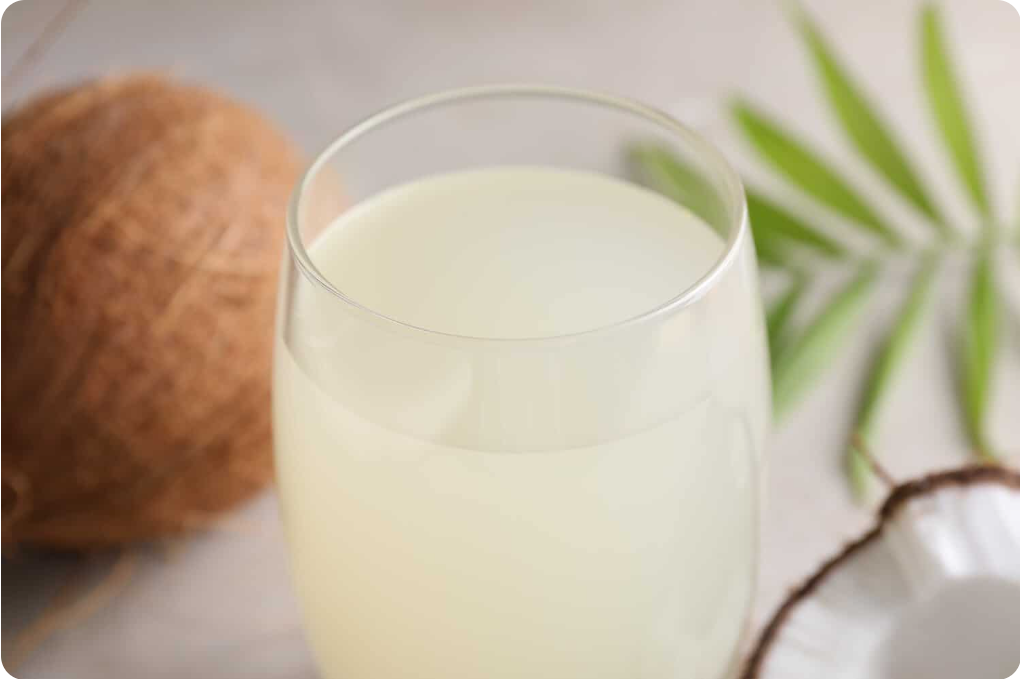
If you are doing a long, intense workout, you should choose a sports beverage to replace all the fluids that you have lost. Coconut water contains between 30-60mg of sodium, while sports drinks contain around 500mg (depending on brand and type). Regular water has a low sodium content: less than 20mg per liter.
Choose your drink according to your level of activity. If you sweat a lot, choose a sports beverage. If you are doing something more relaxing, choose water. Coconut water is an excellent choice if you want to try something different.
Coconut water is an extremely versatile drink. You can drink it alone or mix it with another drink.
As we mentioned above, coconut water is gaining popularity as a mixer for cocktails and non-alcoholic drinks, as well as an alternative juice in different drinks. Greg says that coconut water is a great low-carb alternative to high-carb drinks. If you want to try a more tasty way to hydrate, coconut water is a convenient and quick option.
You can use coconut water in water to get a little nutritional boost. You can also reduce the sugar in your favorite smoothie recipe by adding it.
Coconut water is convenient, but it should be avoided under certain circumstances. Greg advises that due to the high potassium level in coconut water, people with impaired kidney function need to be cautious or avoid this product.
“Athletes who sweat profusely during endurance exercise, or those who lose fluids from outdoor work or exercise should also choose electrolyte substitutes that contain more salt.”
Coconut water is a tasty and nutritious beverage that can be used for a variety situations. Sports drinks are a better option when electrolytes are needed in large quantities. Choose the drink based on how active you are and what you need.